
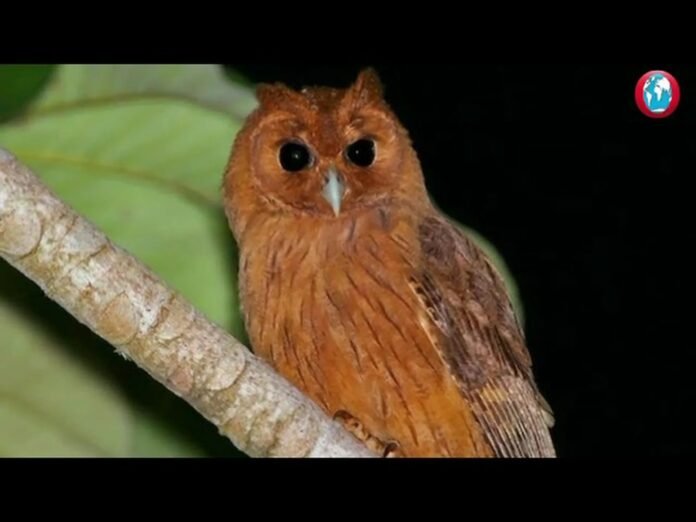

Nature’s Guardians: The Role of Jamaican Owls in Our Ecosystem
KINGSTON, Jamaica — As Jamaica grapples with a leptospirosis outbreak, the spotlight shines on an unexpected ally in the fight against this disease: the Jamaican owl. Hope Zoo General Curator Joey Brown is eager to share the vital role these birds play in maintaining ecological balance.
“A lot of people are used to the barn owls, the big white ones, which are really nice as well,” Brown explains, gesturing toward one of the stunning brown-faced owls being rehabilitated at the Hope Zoo Preservation Foundation. “But this Jamaican owl is unique to our island.”
The Owl’s Role in the Ecosystem
Both barn owls and Jamaican owls are crucial for our environment. “They’re incredibly important for not only the ecosystem but for our well-being as well,” Brown emphasizes. With leptospirosis linked to rodents, understanding the owl’s diet becomes essential. “On any given night, they’re eating anywhere from four to six mice and rats. That’s about 3,000 rats a year!”
Imagine that! An owl family can consume thousands of rodents annually, especially when feeding their young owlets. This natural pest control is a boon for communities, particularly in times of health crises.
A Cultural Perspective
In Jamaican culture, owls often carry a mystique, sometimes viewed with fear or superstition. “In Jamaican culture, they have this maybe scary or mystic kind of belief,” Brown notes. “But in many other places, they represent wisdom and seniority.”
Despite these beliefs, Brown urges Jamaicans to reconsider their views. “What I like to tell people is they’re like nature’s pest control. If you have an owl in your yard, or you can hear it, it’s actually a good thing. They’re helping keep the rodents away from your house and farm.”
The Importance of Education
Education is key to changing perceptions. Brown encourages people to see owls for what they truly are: peaceful creatures that want nothing to do with humans. “They’re very shy,” he reassures. “They’re not out to harm anyone.”
As leptospirosis cases trend down, thanks to public health efforts, the importance of these birds becomes even clearer. They not only help control rodent populations but also serve as a reminder of the interconnectedness of our ecosystem.
A Call to Action
So, the next time you hear the soft hoot of an owl in the night, remember its role in protecting your community. Instead of fear, let’s foster appreciation for these remarkable birds. After all, they are nature’s guardians, silently working to keep our environment balanced.
As we navigate health challenges, can we learn to embrace the creatures that help us thrive?