
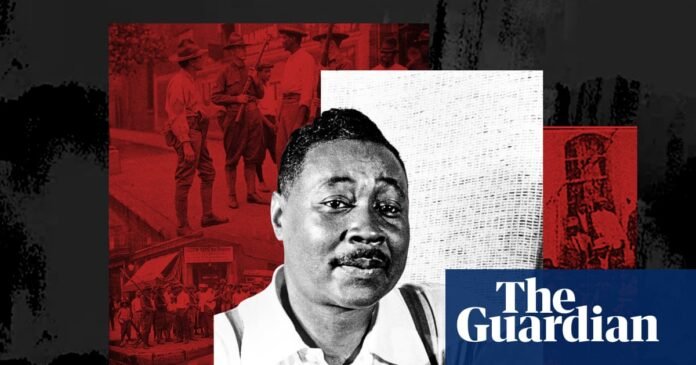

‘The Jobless Should Lead the Attack’: A Radical Jamaican Journalist in 1920s London
In the bustling streets of 1920s London, a voice emerged that would challenge the status quo and inspire generations. This voice belonged to a Jamaican journalist whose radical ideas and fierce advocacy for the marginalized made waves across the Atlantic. Today, we dive into the life and legacy of this remarkable figure, exploring how their work resonates with contemporary issues in Jamaica and beyond.
A Voice for the Voiceless
Imagine walking through the vibrant neighborhoods of London, where the sounds of jazz and the chatter of diverse communities fill the air. Amidst this cultural tapestry, our journalist stood out, fiercely advocating for the jobless and disenfranchised. “The jobless should lead the attack,” they proclaimed, emphasizing that those most affected by economic hardship had the most to say about the solutions.
This sentiment echoes in Jamaica today, where unemployment remains a pressing issue. Many citizens feel that the voices of the jobless are often drowned out by political rhetoric. “We need to listen to those who are struggling,” says local activist Marcia Thompson. “They have the answers we’re looking for.”
Bridging Cultures
Our journalist wasn’t just a voice for the jobless; they were a bridge between cultures. Coming from Jamaica, they brought a unique perspective to London’s diverse landscape. They highlighted the struggles of Caribbean immigrants, shedding light on their contributions and challenges. “We are not just here to survive; we are here to thrive,” they wrote, capturing the spirit of resilience that defines many Jamaicans today.
In Kingston, young people often share similar sentiments. “We’re not just a tourist destination; we have stories that matter,” says 22-year-old student Malik Johnson. This connection between past and present is vital, reminding us that the fight for equality and recognition continues.
The Power of the Pen
The journalist’s weapon of choice was the pen, and they wielded it with precision. Through articles and essays, they exposed injustices and called for action. “Words can ignite change,” they believed, and their writings inspired many to join the fight for social justice.
In Jamaica, the power of the pen remains strong. Local writers and poets use their craft to address issues like poverty, education, and inequality. “Writing is a form of resistance,” says poet Aisha Grant. “It allows us to express our struggles and dreams.”
A Legacy of Activism
The impact of this journalist’s work extends far beyond their time. They laid the groundwork for future activists, encouraging them to speak out against injustice. Today, movements across the globe draw inspiration from their radical ideas, reminding us that the fight for equality is ongoing.
In Jamaica, grassroots organizations continue to advocate for the marginalized, echoing the journalist’s call for action. “We are the change-makers,” says community leader David Brown. “It’s our responsibility to carry the torch forward.”
Looking Ahead
As we reflect on the life of this radical journalist, we’re reminded of the importance of listening to the voices that often go unheard. In a world filled with noise, how can we ensure that the jobless and marginalized are at the forefront of our conversations? Their stories matter, and their struggles are our struggles.
In the spirit of our Jamaican heritage, let’s continue to uplift those voices and champion the cause of equality. After all, the fight for justice is a journey we all share. What role will you play in this ongoing narrative?