

SBAJ Calls for Reversal of JPS Electricity Rate Hike Amid Hurricane Aftermath
The Small Business Association of Jamaica (SBAJ) is raising its voice against the recent approval of a 7% electricity rate increase for the Jamaica Public Service (JPS). This decision comes on the heels of disruptions caused by Hurricane Melissa, which has left many questioning the timing and fairness of the hike.
In a news release issued on Monday, the Office of Utilities Regulation (OUR) announced that customers would see this increase reflected in their bills for November’s consumption. For many, this news feels like a heavy blow, especially as the festive Christmas season approaches.
Unconscionable Timing
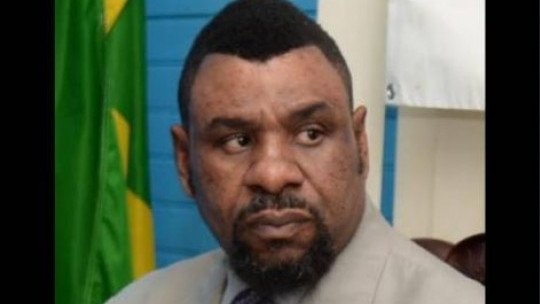
SBAJ President Garnett Reid didn’t hold back when he spoke with Radio Jamaica News on Tuesday. He described the increase as “unconscionable,” emphasizing the strain it places on businesses and consumers alike. “This will make Jamaica expensive to do business in, and the nation will be hurt,” he warned. Reid’s concerns are particularly poignant as many small businesses rely heavily on electricity for their operations.
The Ripple Effect on Businesses
The implications of this rate hike extend beyond just higher bills. Reid cautioned that many businesses might be forced to close their doors, leading to job losses and increased prices for consumers. “Electricity is a critical input in the production of goods and services,” he explained. If businesses struggle to keep up with rising costs, it’s the everyday Jamaican who will ultimately feel the pinch.
Government Support and Accountability
Adding fuel to the fire, Reid highlighted the US$150 million loan recently extended by the government to JPS for power restoration efforts. He questioned why such financial support would coincide with a rate increase. “I thought that money was to help JPS recover, so there would be no need for an increase,” he said, expressing frustration over the apparent disconnect between government support and the burden placed on consumers.
Moreover, he pointed out the US$50 million drawn from the Electricity Disaster Fund by the OUR to assist JPS. “What about the other companies in Korea and Japan who are 40% each? They can also help with the recovery process,” Reid argued. His comments reflect a growing sentiment that the burden of recovery should not fall solely on the Jamaican people.
A Call to Action
Reid is not alone in his concerns. He urged other private sector organizations, including the Private Sector Organisation of Jamaica, Jamaica Manufacturers and Exports Association, and the Jamaica Chamber of Commerce, to join the fight against this increase. “I don’t want to be the lonely voice in the wilderness,” he stated, emphasizing the need for a united front.
The Bigger Picture
The OUR has attributed the rate increase to a 30% reduction in electricity sales due to Hurricane Melissa, which significantly impacted fuel and Independent Power Producer rates. While the storm’s aftermath is undeniable, many are left wondering if consumers should bear the brunt of these challenges.
As the debate continues, one thing is clear: the voices of small business owners and everyday Jamaicans are crucial in shaping the future of energy costs in the country. Will the government listen, or will the cries for fairness fall on deaf ears?