

The Plastic Crisis: A Call to Action for Our Health
PARIS, France (AFP) — The world is facing a plastic crisis that threatens not just our environment but our health as well. Researchers are sounding the alarm, warning that unless we take serious action, the impact of plastic production, usage, and disposal could skyrocket in the coming years.
A team of British and French researchers has delved deep into the various ways plastic affects our health. From the extraction of oil and gas during production to the mountains of plastic that end up in landfills, their findings are alarming. Lead author Megan Deeney from the London School of Hygiene & Tropical Medicine emphasized, “This is undoubtedly a vast underestimate of the total human health impacts.”
Understanding the Health Risks
The study, published in The Lancet Planetary Health, is groundbreaking. It’s the first to estimate the number of healthy years of life lost due to the lifecycle of plastic worldwide. Researchers used a measure called DALYs—Disability-Adjusted Life Years—which accounts for years lost to early death or diminished quality of life due to illness. Under a “business-as-usual” scenario, the number of DALYs caused by plastic is projected to more than double from 2.1 million in 2016 to 4.5 million by 2040.
The most significant health impacts stem from greenhouse gas emissions linked to plastic production, followed closely by air pollution and toxic chemicals. Deeney illustrated this with a simple example: a plastic water bottle. “Like more than 90 percent of all plastic, its production begins with the extraction of oil and gas,” she explained.
The Journey of Plastic
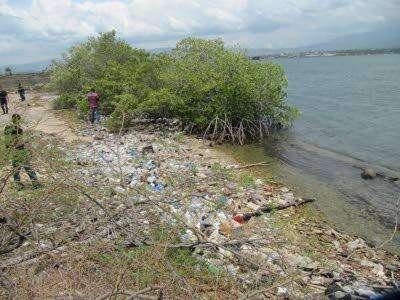
Once that bottle is made, it travels across the globe to reach your local shop. But what happens next? Most of these bottles end up in the rubbish or, worse, littered across our beautiful landscapes. Despite recycling efforts, the reality is grim: most plastic ends up in landfills, where it can take centuries to decompose, leaching harmful chemicals into the soil and water.
In Jamaica, where the vibrant beaches and lush landscapes are part of our identity, the sight of plastic waste can be disheartening. Local citizens often voice their concerns, with many calling for stricter regulations on plastic use. “We need to protect our environment for future generations,” says local activist Marcia Thompson.
A Glimmer of Hope
The researchers also explored a scenario where the world actively fights the health effects of plastic. Surprisingly, they found that recycling made little difference. The most effective measure? Reducing the amount of “unnecessary” plastic produced in the first place.
While global talks to establish a treaty against plastic pollution recently fell apart, Deeney remains hopeful. “Countries can still act at a national level to address this global public health crisis,” she stated.
Moving Forward
As we navigate this plastic-laden world, it’s essential to consider our choices. What can we do to reduce our plastic footprint? From using reusable bags to supporting local initiatives aimed at reducing plastic waste, every little bit helps.
In a world where convenience often trumps sustainability, can we find a balance that protects both our health and our planet? The time to act is now.