
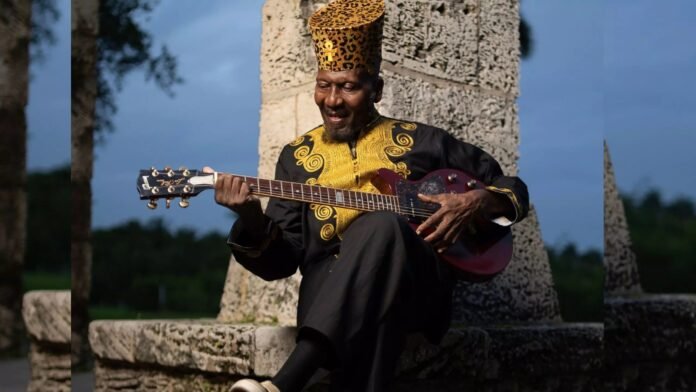

Remembering Jimmy Cliff: The Reggae Legend Who Carried Jamaica to the World
Jimmy Cliff, the iconic Jamaican singer and actor, has left us at the age of 81, leaving behind a legacy that resonates deeply within the heart of reggae music. His wife, Latifa Chambers, shared the heartbreaking news, revealing that he passed away after suffering a seizure followed by pneumonia. In her emotional tribute, she expressed, "Jimmy, my darling, may you rest in peace." The news sent shockwaves through the music world, with tributes flooding in from fans, artists, and cultural leaders who recognized Cliff as a towering figure whose influence transcended generations.
Early Life: From Poverty to Promise
Born James Chambers in 1944 in Somerton, St. James, Jamaica, Cliff was the eighth of nine children raised in challenging circumstances. Music became his refuge. By the tender age of six, he was already singing in his local church, showcasing the soulful voice that would one day captivate audiences worldwide.
At just 14, driven by dreams of a better life, he moved to Kingston. It was here that he adopted the name "Cliff," symbolizing the heights he aimed to reach. His breakthrough came swiftly with "Hurricane Hattie," a hit that catapulted him to the top of the Jamaican charts, marking him as one of the island’s brightest stars.
International Breakthrough: Defining Hits
Cliff’s journey to global recognition began in 1965 when he joined Island Records in London. The UK music scene was dominated by rock, and his early attempts to reshape his sound faced challenges. Yet, his powerful voice and poignant songwriting could not be ignored.
In 1969, he achieved international fame with "Wonderful World, Beautiful People," followed by the anti-war anthem "Vietnam," which Bob Dylan praised as the best protest song ever written. Hits like "Many Rivers to Cross" and "You Can Get It If You Really Want" became staples of reggae history, showcasing his ability to blend catchy melodies with meaningful lyrics.
The Harder They Come: A Cultural Revolution
Cliff’s career reached a pivotal moment in 1972 with his role in the Jamaican film "The Harder They Come." His portrayal of Ivan Martin, a struggling singer navigating the corrupt music industry, became iconic. The film is credited with introducing reggae to North America and Europe, serving as a cornerstone of Jamaican cinema.
The soundtrack, featuring Cliff’s own tracks like "The Harder They Come" and "Sitting in Limbo," is hailed as one of the greatest reggae compilations ever. Cliff once remarked, "The film opened the door for Jamaica. It said, ‘This is where this music comes from.’"
A Lifetime of Music and Awards
Throughout his illustrious career, Cliff released over 30 albums, constantly evolving his sound by blending reggae with ska, rocksteady, soul, and pop. He won two Grammy Awards, including one for his 1985 album "Cliff Hanger." His 2012 album "Rebirth" introduced him to a new generation, while his final album, "Refugees," released in 2022, showcased his enduring talent.
In 2010, Cliff was inducted into the Rock and Roll Hall of Fame and received Jamaica’s prestigious Order of Merit, one of the highest national honors. His body of work stands as a testament to his artistry, resilience, and unwavering commitment to Jamaican culture.
A Global Pioneer Whose Legacy Endures
Jimmy Cliff’s passing marks the loss of a musical giant. His voice, charisma, and socially conscious songwriting helped define reggae long before it became a global phenomenon. Many artists credit him as a trailblazer whose music shaped their own paths.
As fans mourn, Cliff’s legacy continues through the songs that inspire hope, resilience, and unity. His music didn’t just represent Jamaica; it carried Jamaica to the world. What will you remember most about this reggae legend?