

Leptospirosis Outbreak Declared in Jamaica: What You Need to Know
The Ministry of Health and Wellness has officially declared a leptospirosis outbreak in Jamaica, a decision that comes in the wake of Hurricane Melissa’s heavy rains and flooding. With more than three weeks since the storm, the country is now grappling with a significant rise in cases of this bacterial disease.
What is Leptospirosis?
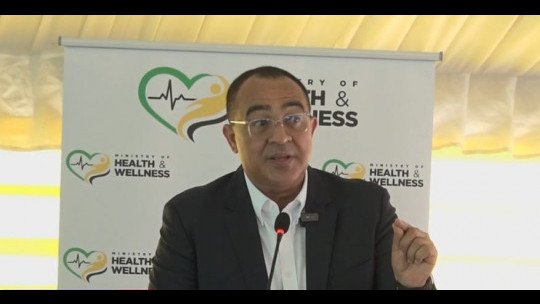
Leptospirosis is a disease often linked to exposure to contaminated floodwaters and soil, particularly those tainted by the urine of infected animals. It can lead to severe health complications if not treated promptly. The recent spike in cases has raised alarms, with Health and Wellness Minister Dr. Christopher Tufton reporting nine confirmed cases and 28 suspected or probable cases between October 30 and November 20. Tragically, six deaths have already been confirmed.
A Surge in Cases
Dr. Tufton highlighted the alarming increase in cases, noting that the numbers reflect a stark contrast to the two to 21 cases observed over the past 34 months. “This is a significant jump,” he stated during a media briefing, emphasizing the urgency of the situation. The affected individuals hail from eight parishes: St. Ann, St. Mary, St. James, Hanover, Westmoreland, St. Elizabeth, St. Catherine, and Trelawny.
Coordinated Response Efforts
In light of the outbreak, the government is mobilizing a multi-agency response plan. Dr. Tufton explained that declaring an outbreak allows for a more coordinated public health response. “It signals to the health system that immediate action is needed to identify cases, contain the spread, and prevent severe illness or death,” he said. This declaration unlocks vital resources, including surge staffing, diagnostic supplies, and emergency funding.
Community Cleanup Initiatives
The Ministry of Local Government and Rural Development is gearing up for major cleanup operations in the affected parishes. This initiative aims to reduce the risk of further contamination. Dr. Tufton noted that the Ministry of Labour and Social Security will distribute cleaning agents and protective gear, such as latex gloves and water boots, to communities engaged in cleanup efforts.
Private Sector Involvement
The private sector is also stepping up to assist in the response. Senator Keith Duncan is leading efforts to ensure that health facilities facing water supply challenges receive the necessary support. Discussions are underway to provide reliable drinking water and personal protective equipment (PPE) to both communities and health institutions.
Support from International Organizations
International partners are joining the fight against leptospirosis. The Pan-American Health Organization (PAHO) and UNICEF are set to procure PPE for distribution, further bolstering local efforts. This collaboration underscores the importance of a united front in tackling public health crises.
Voices from the Community
Residents are understandably concerned. “We need to be vigilant,” said a local shopkeeper from St. James. “The floods have left many areas vulnerable, and we must take precautions.” Community leaders are echoing similar sentiments, urging citizens to stay informed and take necessary health precautions.
As Jamaica faces this outbreak, the call for collective action is louder than ever. With the government, private sector, and international organizations working together, there’s hope for a swift resolution. But the question remains: how can we, as a community, ensure that we stay safe and healthy during this challenging time?