

IMF Steps In: Jamaica Receives $415 Million for Hurricane Recovery
In a significant move to support Jamaica’s recovery from the devastating effects of Hurricane Melissa, the International Monetary Fund (IMF) has approved emergency financial assistance of approximately US$415 million. This funding aims to help the country tackle urgent economic challenges that have arisen in the wake of the hurricane’s destruction.
On January 16, 2026, the IMF’s Executive Board announced the disbursement under the Rapid Financing Instrument’s (RFI) large natural disaster window. This funding, equivalent to SDR 306.32 million—about 80% of Jamaica’s quota—will help address immediate balance-of-payments needs following widespread damage across the island.
The Impact of Hurricane Melissa
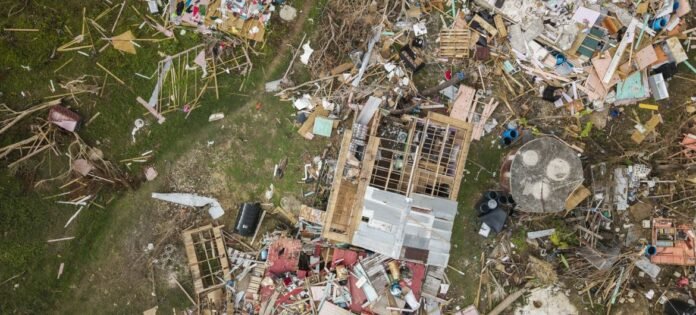
Hurricane Melissa has left a trail of destruction, causing significant strain on Jamaica’s public finances. The IMF noted that despite Jamaica’s robust disaster risk financing framework and a solid track record of economic reforms, the scale of damage has been overwhelming. Infrastructure has been severely affected, and the tourism sector, a vital part of the economy, has seen a sharp decline in receipts. This has created short-term external financing gaps that the government must urgently address.
Local authorities are working tirelessly to restore essential services in the hardest-hit areas. The focus is on supporting the most vulnerable communities affected by the storm. As one local resident from Portmore expressed, “We need help now more than ever. Our homes and livelihoods have been turned upside down.” The government remains committed to fiscal responsibility and debt reduction, even as it temporarily eases fiscal rules to facilitate recovery efforts.
Acknowledging the Challenges
IMF Deputy Managing Director Bo Li emphasized the unprecedented destruction caused by Hurricane Melissa, stating that it is expected to have a significant negative impact on economic growth. “Despite Jamaica’s sound macroeconomic policies and multi-layered disaster preparedness, available resources were insufficient to meet recovery needs,” he noted. This sentiment resonates with many Jamaicans who feel the weight of the storm’s aftermath.
Emergency assistance under the Rapid Financing Facility is seen as a crucial lifeline. “This support will help to accelerate recovery efforts, particularly for the most vulnerable,” Li added. The importance of collaboration with international partners cannot be overstated, as the road to recovery will require a united front.
Inflation and Agricultural Strain
The IMF also highlighted inflationary pressures resulting from severe damage to agriculture, which has created a negative supply shock. Farmers in rural areas are struggling to recover, and many are worried about the future of their crops. “We’ve lost everything. It’s hard to think about planting again,” lamented a farmer from St. Elizabeth.
To maintain financial stability, the Bank of Jamaica must stick to its inflation target while limiting foreign exchange interventions to periods of disorderly market conditions. This delicate balance is crucial as the nation navigates the complexities of recovery.
Looking Ahead
Despite the immediate challenges, the IMF remains optimistic about Jamaica’s long-term stability. The Fund emphasized that the country’s commitment to credible policy frameworks and long-standing economic reforms provides a strong foundation for future growth. As Jamaica begins to rebuild, the resilience of its people shines through.
With the support of the IMF and the determination of its citizens, Jamaica is poised to rise from the ashes of Hurricane Melissa. Will the spirit of unity and resilience continue to guide the nation through this challenging time? Only time will tell.