

Navigating the Green Frontier: Jacana Wellness and Jamaica’s Cannabis Journey
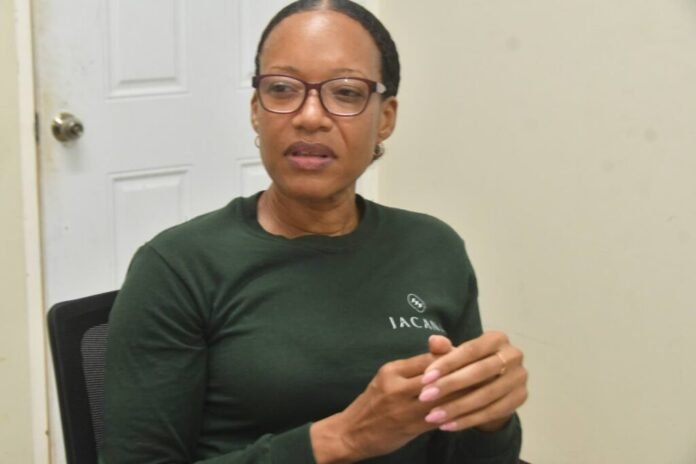
Raihn Sibblies, the commercial manager at Jacana Wellness, stood amidst the lush greenery of the company’s cultivation and processing facility in Orange Hall, St Ann. As she spoke, her passion for the cannabis industry was palpable. “We’re not just growing plants; we’re cultivating wellness,” she emphasized, highlighting the company’s commitment to quality and community.
Nearly a decade has passed since Jamaica decriminalized cannabis, sparking dreams of a thriving, export-driven industry. Yet, as Sibblies and her colleagues at Jacana have discovered, the reality has been far more complex. The vision of a flourishing market, rich with opportunities for local farmers, has faced significant hurdles. “The boom is gone,” lamented Nicholas Deane, Jacana’s farm operations manager. “What remains is whether the industry can actually survive under its current structure.”
The Cost of Legality
For licensed growers like Jacana, the path to success is fraught with challenges. The costs associated with compliance are staggering. “Cultivation license fees can exceed US$3,500 per acre annually,” explained Stephen-John Brown, the quality and compliance manager. This doesn’t even include the hefty expenses for security, transport, and energy. “When you start adding it all up, it becomes a very expensive business to run,” he noted, stressing how these financial burdens can crush small farmers before they even see their first harvest.
Access to finance is another significant barrier. Many licensed cannabis businesses struggle to secure loans, forcing them to operate primarily in cash. This financial bottleneck has led to a consolidation of the industry, where only the better-capitalized firms can thrive. “Vertical integration became survival, not strategy,” Deane remarked, underscoring the shift in focus from farming to broader business operations.
Exports That Didn’t Deliver
When Jamaica first moved to regulate cannabis, the promise of lucrative export markets was a major selling point. However, reality has proven to be more challenging. “The world wants Jamaican cannabis — until they send the specification sheet,” Deane pointed out. International buyers often demand pharmaceutical-grade products, which are difficult to produce in Jamaica’s outdoor farming conditions.
The stringent requirements for microbial limits and post-harvest treatments can degrade product quality. Competing on price is also tough, as larger producer countries can operate at much lower costs. Many export-focused Jamaican operations have since shut down, highlighting the difficulties of making cultivation-led exports viable.
A Shift Towards Wellness and CBD
In response to these challenges, Jacana has pivoted its focus. While THC-based products are primarily sold domestically, the company’s CBD and wellness line now accounts for about 70% of its sales. “Our wellness line is growing because it works,” Sibblies shared, noting the increasing demand in hospitality and spa settings. Jacana produces a variety of CBD-based products, including tinctures and topical balms, many infused with local botanicals.
The company has also begun exporting CBD products to the United States and the United Kingdom, where regulations are more favorable. “CBD and wellness weren’t a pivot because it was trendy,” Sibblies clarified. “They were a necessity.”
A Different Outcome Than Intended
Jacana’s journey reflects a broader contradiction within Jamaica’s cannabis industry. While cultivation was expected to be the backbone of the sector, the regulatory framework has favored companies that minimize farming risks. “Business is still business,” Deane said. “If cultivation can’t stand on its own, companies will move where the model works.”
As Jamaica approaches the tenth anniversary of cannabis decriminalization, the pressing question remains: Is the current regulatory framework truly aligned with the markets it was designed to serve? Jacana’s experience suggests that for now, survival may lie not in scaling the farm, but in moving beyond it.