

The Cultural Impact of Latin Music in America
For many years, I was fortunate to play in a band that blended rock and Latin music. This experience provided me with an incredible education, both musically and culturally, as a gringo kid from the suburbs. The rhythms, melodies, and stories woven into Latin music opened my eyes to a rich tapestry of cultural heritage that has long been a part of the American musical landscape.
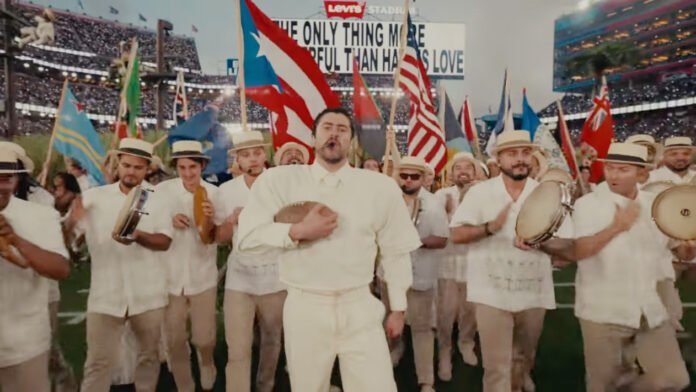
A Moment of Celebration: Bad Bunny at the Super Bowl
When Bad Bunny performed during halftime of Super Bowl LX, I felt an overwhelming sense of joy for all my musical brothers and sisters who had played largely in obscurity for so long. I couldn’t help but imagine what it must be like for those who lived in the United States but performed music closely aligned with their cultural roots. What were they thinking? How did they feel seeing someone like Bad Bunny take center stage on one of the biggest televised platforms in the world?
For many kids who look, sound, and speak like Bad Bunny, this moment was monumental. It wasn’t just a performance; it was a reflection of their identity and heritage. While some may have viewed it as a political statement, for me, it was a powerful musical declaration.
The Roots of Latin Music in America
Latin music has always been an integral part of American culture, especially when we consider that “America” encompasses North, Central, and South America. The early influences of Spanish music can be traced back to the vibrant streets of New Orleans, where jazz—a true American art form—was born. This fusion of cultures laid the groundwork for the diverse musical landscape we enjoy today.
In the 1960s, Latin music experienced a significant explosion in the U.S. New York became the epicenter of Salsa through the efforts of Fania Records, which discovered and promoted artists like Rubén Blades, Héctor Lavoe, Willie Colón, and Ray Barretto. This movement was akin to what Motown achieved for rhythm and blues, showcasing the immense talent and cultural richness of Latin music.
The Cross-Pollination of Genres
The influence of Latin music on popular music has been profound and enduring. Three years after The Beatles released the Spanish-infused “And I Love Her,” Frank Sinatra collaborated with Brazilian bossa nova master Antonio Carlos Jobim, resulting in an album that garnered multiple Grammy nominations in 1968. This cross-pollination of genres continued to shape the soundscape of American music, impacting everything from pop—exemplified by the Miami Sound Machine—to rock, country, and even holiday classics like “Feliz Navidad.”
Latin music is not just a fleeting trend; it is deeply embedded in the fabric of American music, a vital part of our shared cultural heritage for nearly a century.
The Rise of Reggaeton and Bachata
In the last decade, reggaeton and bachata have surged into the mainstream, dominating dance clubs, airwaves, and concert tours. Artists like Pitbull, Shakira, Ricky Martin, J Balvin, and Daddy Yankee have achieved remarkable crossover success, blending pop, hip-hop, and traditional Latin rhythms. This evolution has made Latin music more accessible to a broader audience, showcasing its versatility and appeal.
Bad Bunny’s performance at the Super Bowl was particularly noteworthy for its fusion of modern reggaeton with traditional Salsa. This combination is significant not only for its visibility during a major sporting event but also because Salsa music is notoriously complex. I recall learning the syncopated grooves of samba in my 20s, guided by a Latin percussionist who tapped the beat on my shoulder until I grasped it. This complexity not only challenges musicians but also enriches their artistry, broadening their musical horizons.
The Impact on Future Generations
You may not be a fan of Bad Bunny’s music, and honestly, I lean more toward traditional Latin jazz and Afro-Cuban sounds. However, it’s impossible to overlook the impact of his performance on those discovering him for the first time, as well as on individuals who saw themselves represented on such a grand stage.
For many, particularly in Latin American communities across the U.S., this moment could be likened to The Beatles’ appearance on The Ed Sullivan Show—a seminal event that inspired countless teenagers to pursue music. Just as that moment transformed the landscape of popular music, Bad Bunny’s halftime show has the potential to inspire a new generation of musicians.
A Lasting Legacy
Whether you resonate with the political undertones of the moment or not, whether you understood the lyrics or felt the groove, it’s essential to recognize that Bad Bunny’s exuberant halftime show will leave a lasting impact on millions. For the kids and young aspiring musicians watching, this was a moment of validation, a chance to see themselves reflected in a way they may have only dreamed of before.
This celebration of Latin music is not just a chapter in American music history; it is an ongoing narrative that continues to evolve, inspire, and unite.