

Healing Hearts: The Mental Health Crisis in Post-Hurricane Jamaica
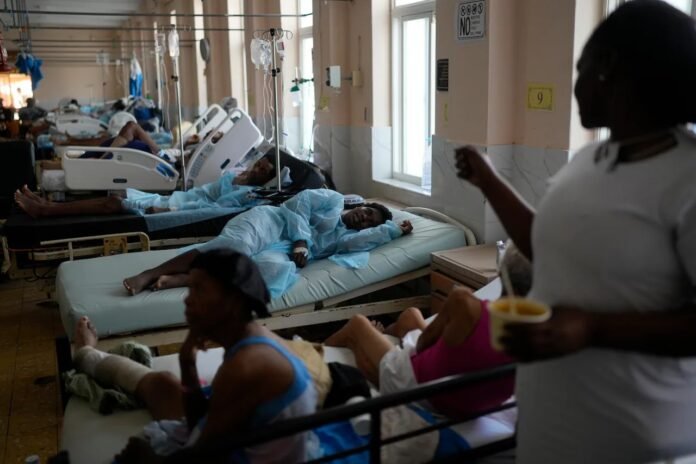
After two weeks in Montego Bay, nurse Tanisha Mills returned home with a heavy heart. She had volunteered at Cornwall Regional Hospital, witnessing firsthand the aftermath of Hurricane Melissa, the first Category 5 storm to hit Jamaica. While the physical destruction was evident, Mills emphasized a different kind of devastation: the mental health struggles of the community.
“Children were coming in visibly afraid and anxious,” Mills shared with CBC News. “They were scared of something as simple as the dark, especially since many areas were still without electricity.” This stark reality highlights a pressing need for mental health support in the wake of natural disasters.
A Call for Mental Health Support
Mills, who works for the Region of Waterloo Public Health, is not just a nurse; she’s a passionate advocate for mental health awareness. She’s initiating a “small, early-stage effort” to connect local health practitioners in Canada with those on the ground in Jamaica. “I want to find ways to send kits for kids to color and use art as therapy,” she explained. “We need to address mental health now, so we’re not seeing the effects later.”
Her sentiments resonate with many who have witnessed the emotional toll of disasters. The Jamaican-Canadian community has rallied together, organizing benefit concerts like “Harmonies of Hope” in Toronto to raise funds for those affected. Meanwhile, Waterloo resident Sarah Vazzoler collected essential items like summer clothes and diapers for survivors. These efforts are crucial, but Mills insists that mental health must not be overlooked.
Understanding the Emotional Impact
Matt Harrigan, director of adult services at the Canadian Mental Health Association (CMHA) of Waterloo-Wellington, echoed Mills’ concerns. “Loss and grief naturally follow a disaster,” he said. “People may develop anxiety, depression, or even post-traumatic stress disorder.” The emotional scars can linger long after the physical damage has been repaired.
Children, in particular, struggle to comprehend the chaos around them. “They might not fully understand what’s happening,” Harrigan noted. “They need help processing their feelings, and that requires a different approach.”
The Weight on Women’s Shoulders
Mills observed that mothers often prioritize their children’s needs over their own. “They’re so focused on helping their kids that they neglect their own health,” she said. This emotional burden can last for generations, making it vital to address the mental health of both children and women.
Harrigan added, “The quicker you can get mental health care, the better the overall recovery will be.” This is especially true for women, who often carry the emotional weight of disasters the longest.
A Community Effort
As Mills continues her mission to connect with local nurses and organizations, the community’s response remains hopeful. The collective efforts to provide immediate relief are commendable, but the long-term mental health needs must also be prioritized.
“Rebuilding the house is important, but we also need to rebuild the hearts,” Mills emphasized. The journey toward healing is just beginning, and it’s clear that mental health support will play a crucial role in Jamaica’s recovery.
How can we ensure that mental health is part of the conversation in disaster recovery? The answer lies in community collaboration and a commitment to holistic healing.