
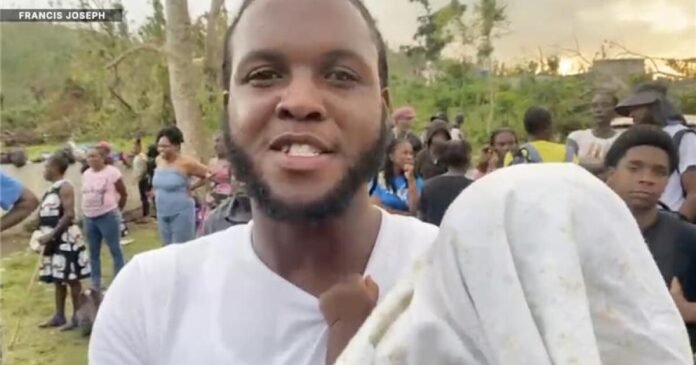

Tampa Bay Community Rallies to Support Jamaica After Hurricane Melissa
TAMPA, Fla. — In a remarkable show of solidarity, the Tampa Bay community has come together to deliver over 40,000 pounds of essential supplies to Jamaica, following the devastating impact of Hurricane Melissa. This grassroots effort highlights the power of community and the spirit of giving, as residents rallied to support their Caribbean neighbors in need.
Francis Joseph, a key figure in this relief effort and a representative of the Caribbean American National Development Organization, returned to Tampa on Sunday night after overseeing the distribution of aid collected over four weeks at The Jerk Hut on Fowler Avenue. "I want to say thank you to the news media for checking in on us, both before and after, because I think the after is a long road ahead," Joseph expressed. His gratitude extended to the entire community, emphasizing the collective effort that made this mission possible.
The relief initiative was spearheaded by Tampa Cares, a coalition that includes the Caribbean American National Development Organization, the Caribbean Community Association, and various local Caribbean organizations. Notable partners like The Jerk Hut, USF Health, and the Jamaican Mission Impact Team also played crucial roles in this endeavor.
Joseph’s trip to Jamaica was not just about delivering supplies; it was about ensuring that aid reached those who needed it most. He collaborated with Food for the Poor, a nonprofit organization that facilitated the distribution of Tampa Bay donations directly to affected communities. "The key tourism areas are recovering quickly, but when you get past that area, there’s a lot of devastation," Joseph noted. The outer areas of Kingston and the eastern side of the island suffered significant damage, leaving many families in dire need.
The donated items were diverse and thoughtful, including medical supplies, hygiene products, baby formula, diapers, dry and canned foods, and cleaning products. The community also provided solar lanterns, water filtration straws, and over seven generators to aid in power restoration. "We asked for solar type devices, so solar lanterns and straw filters to help with drinking water because water is contaminated," Joseph explained. This innovative approach ensured that the aid was not just immediate but sustainable.
USF Health coordinated medical supply donations that were sent directly to the University of the West Indies hospital, which had been damaged during the hurricane. Joseph witnessed the distribution process firsthand, where volunteers, including members of Jamaica’s defense force, worked diligently to sort and deliver supplies directly to communities. This method ensured that aid reached those in need without unnecessary delays.
Videos shared by Joseph from Jamaica captured the emotional impact of the relief effort. Community members expressed their gratitude, with some holding children and thanking the camera for the support they received. "This phase of emergency relief represents just the beginning of Jamaica’s recovery process," Joseph emphasized. The island faces extensive reconstruction needs that will require ongoing support over the coming months and years.
"This is the end of this phase," Joseph said, looking ahead. "We’re going to try to continue to help. We want to figure out how we can say thank you to the community in some form." The journey of recovery is just beginning, but the spirit of unity and compassion shown by the Tampa Bay community serves as a beacon of hope for Jamaica in its time of need.
As the community reflects on this effort, one question lingers: How can we continue to support our neighbors in times of crisis?